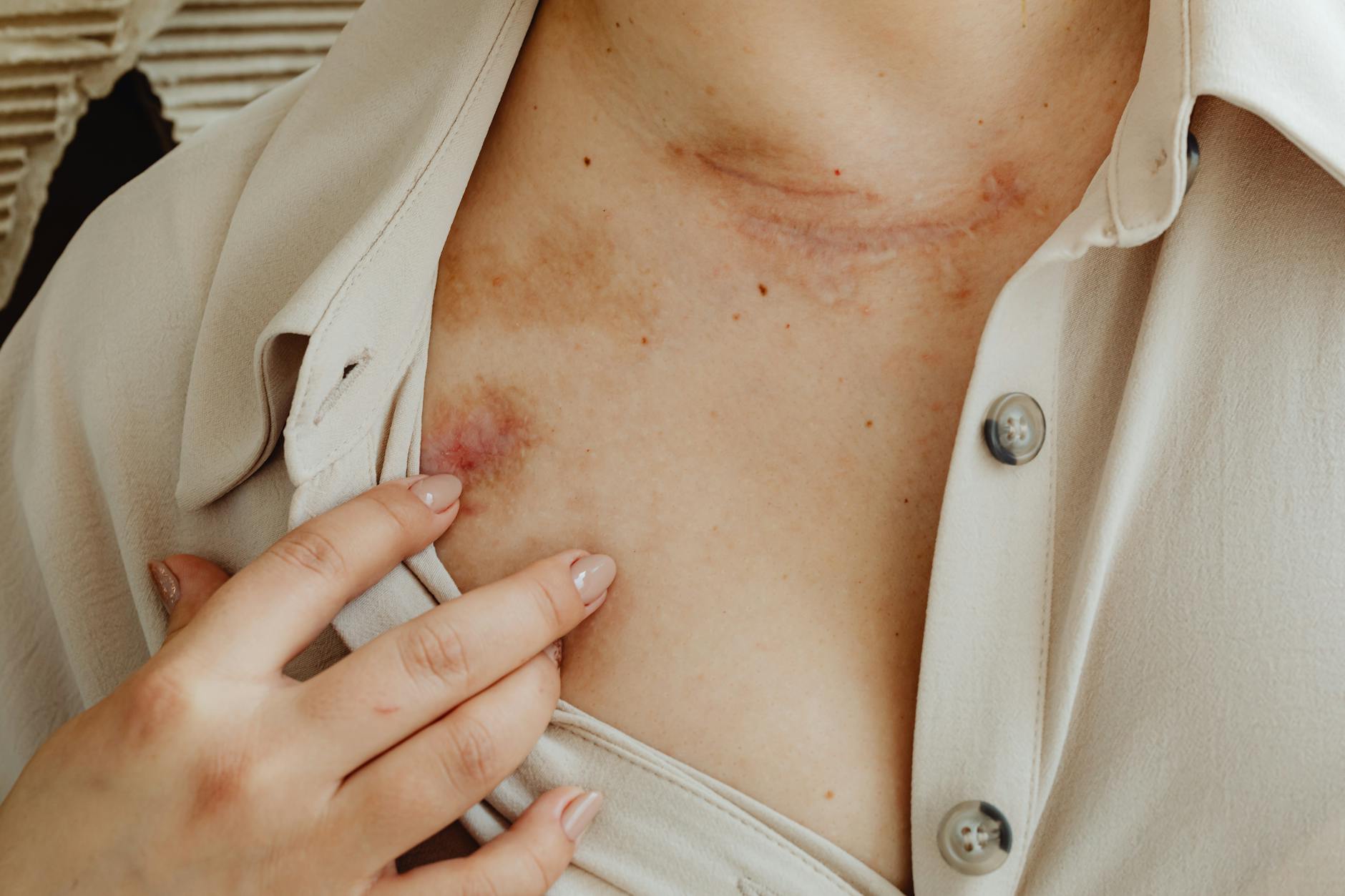
Hidradenitis suppurativa (HS) is a chronic, progressive skin condition that typically appears as boil-like lumps in friction-prone and sweaty areas where skin can be sensitive. These lumps can form interconnected tracts underneath the skin — known as “tunneling” — that may become irritated or infected.
Because many skin conditions share overlapping symptoms, HS is frequently misdiagnosed. Getting the correct diagnosis from a knowledgeable dermatologist matters: a misdiagnosis can lead to treatment that won’t ease symptoms or slow disease progression. Here are seven conditions HS is commonly mistaken for.
1. Acne vulgaris HS affects up to 4% of the population, while acne vulgaris affects more than 9% of people worldwide — meaning HS is sometimes dismissed simply because acne is far more familiar. Acne appears as papules, pustules, or nodules most often on the face, back, chest, arms, and buttocks, and results from sebaceous gland hypersensitivity to androgens. HS, by contrast, typically develops in sweat- and friction-prone areas such as the armpits or groin, and occurs when hair follicles become blocked.
2. Acne conglobata Acne conglobata (AC) is a rare, severe form of nodulocystic acne in which cysts and nodules connect beneath the skin, potentially causing infection and scarring. This tunneling effect can look similar to HS. A key distinction: HS tends to appear in areas subject to skin-on-skin friction or chafing, while AC can develop anywhere on the body. Some research suggests a link between the two conditions, and some individuals have both.
3. Cysts Cysts are fluid-filled sacs with many possible causes, including injury and minor infection. They often resolve on their own or with simple treatment. While HS bumps can resemble cysts, HS is an ongoing inflammatory condition rather than an isolated occurrence.
4. Ingrown hairs An ingrown hair occurs when a strand of hair grows back into the skin rather than outward. Because ingrown hairs and early HS lesions can appear in similar locations and look alike, the two are frequently confused — particularly in areas like the groin or underarms.
5. Folliculitis Folliculitis is an inflammation of the hair follicles, often caused by bacterial or fungal infection. It produces small red bumps or pustules around follicles and can occur anywhere hair grows. Like HS, it tends to appear in friction-prone areas, making the two easy to mix up.
6. Boils (furuncles) Boils are painful, pus-filled bumps that form when a hair follicle becomes infected, typically by bacteria. They share HS’s characteristic of appearing in warm, moist areas and can look nearly identical to HS lesions. However, boils are usually isolated infections, whereas HS involves recurring, interconnected lesions.
7. Herpes Herpes causes clusters of blisters or sores and can appear in the groin or inner thigh — areas also affected by HS. The visual overlap, combined with the sensitive nature of the location, can lead to misidentification of one condition for the other.
Understanding how HS differs from these conditions is important for advocating for accurate care. Many of the conditions above are temporary or resolve with targeted treatment, while HS requires ongoing management to prevent progression.
Source: 7 Conditions Commonly Mistaken for Hidradenitis Suppurativa